Introduction: The Evolution of Software Development
For decades, software development has been synonymous with manual labor. From the early days of punch cards and Assembly to the modern era of high-level languages like Python and JavaScript, the core remains the same: a human must translate complex logic into a specific syntax that a machine can interpret. However, we are currently witnessing the most significant transition in the history of computing.
Why is AI changing how code is written? Because the machine has finally learned our language. We are moving from a world where humans speak "machine" to a world where machines speak "human." This shift is giving rise to a new phenomenon known as vibe coding.
What Is Vibe Coding? Definition and Meaning
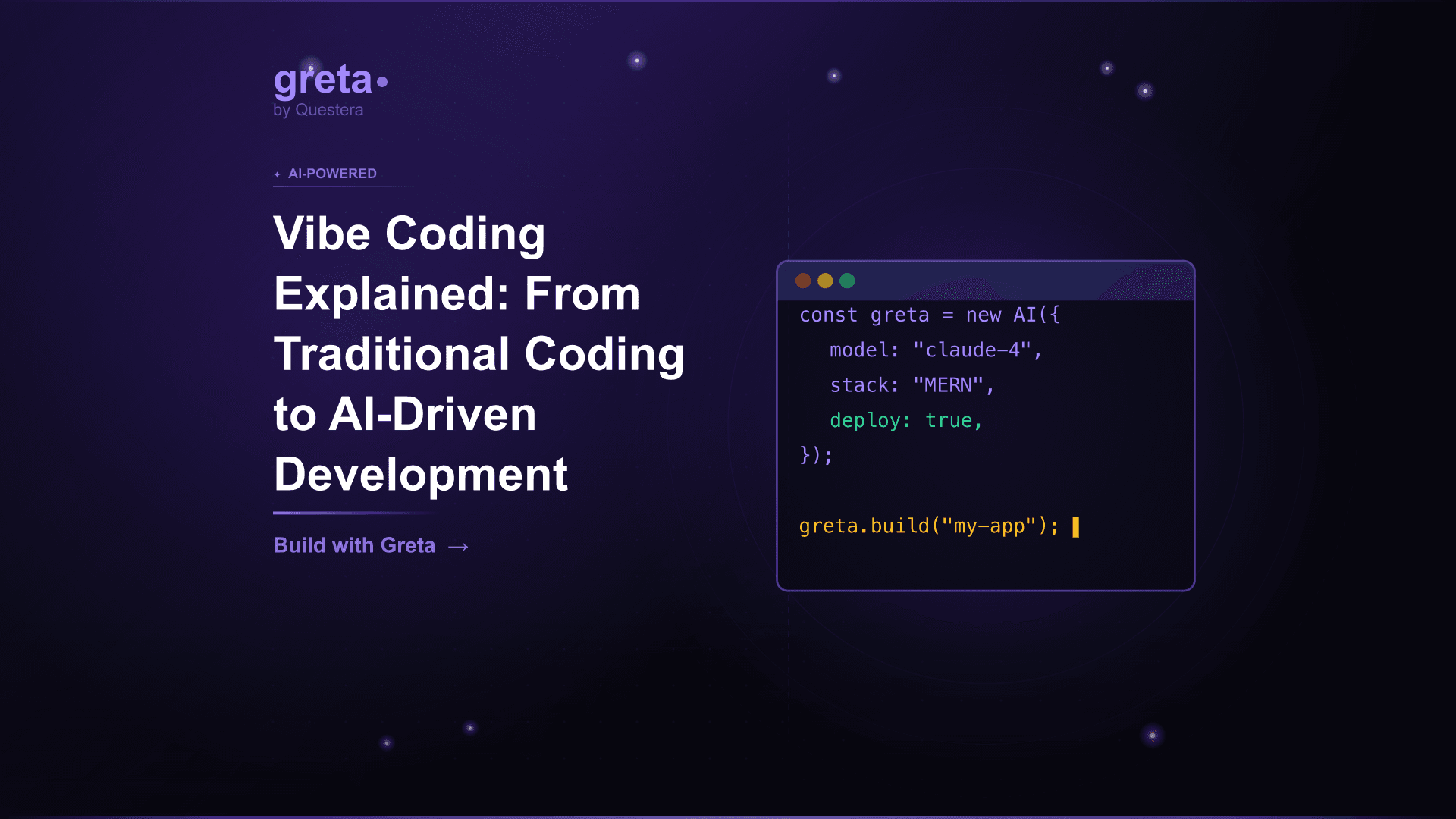
So, what is vibe coding? At its most fundamental level, vibe coding is an intent-based approach to software creation. Instead of writing every line of code by hand, the developer (or "vibe coder") expresses their vision, requirements, and aesthetic preferences through natural language.
Vibe Coding Meaning
The term "vibe" refers to the high-level intent or feeling of a project. When you "vibe code," you aren't worrying about whether you missed a closing bracket; you are focusing on how the application should behave, how it should look, and the problem it should solve. The vibe coding meaning is simple: it is the abstraction of technical complexity in favor of creative expression.
Traditional Coding vs AI-Driven Development
To understand why this is a revolutionary shift, we must look at traditional coding vs AI coding.
- Manual Logic vs Intent-Based Programming: Traditional coding is prescriptive. You tell the computer exactly how to do something, step by step. AI-driven development is descriptive. You tell the computer what you want to achieve, and it determines the most efficient path to get there.
- Speed and Accessibility: Traditional coding has a high barrier to entry and slow development cycles. AI-assisted coding and vibe coding lower the barrier, allowing non-technical creators to build functional software while enabling professional developers to ship at 10x speeds.
- Abstraction Differences: Traditional coding requires you to manage memory, state, and syntax. Vibe coding abstracts these layers, letting you build at the speed of thought.
Got an idea? Build it now!
Just start with a simple prompt. No coding required — Greta.sh turns your idea into a working app in minutes.
How Vibe Coding Works: Human Intent + AI Execution
Vibe coding is essentially natural language programming. It relies on a collaborative loop between human intent and AI execution.
- The Intent Prompt: The human provides the "vibe." This includes functional requirements ("build a dashboard with a dark mode toggle") and stylistic ones ("make it look like a clean SaaS landing page").
- AI Execution: The AI interprets the prompt, pulls from its vast knowledge of frameworks and best practices, and generates the code.
- The Feedback Loop: The human reviews the output. If the "vibe" isn't quite right, they refine their prompt ("the text is too small," "add a 'Contact Us' button"). This iterative process is the core of modern software engineering.
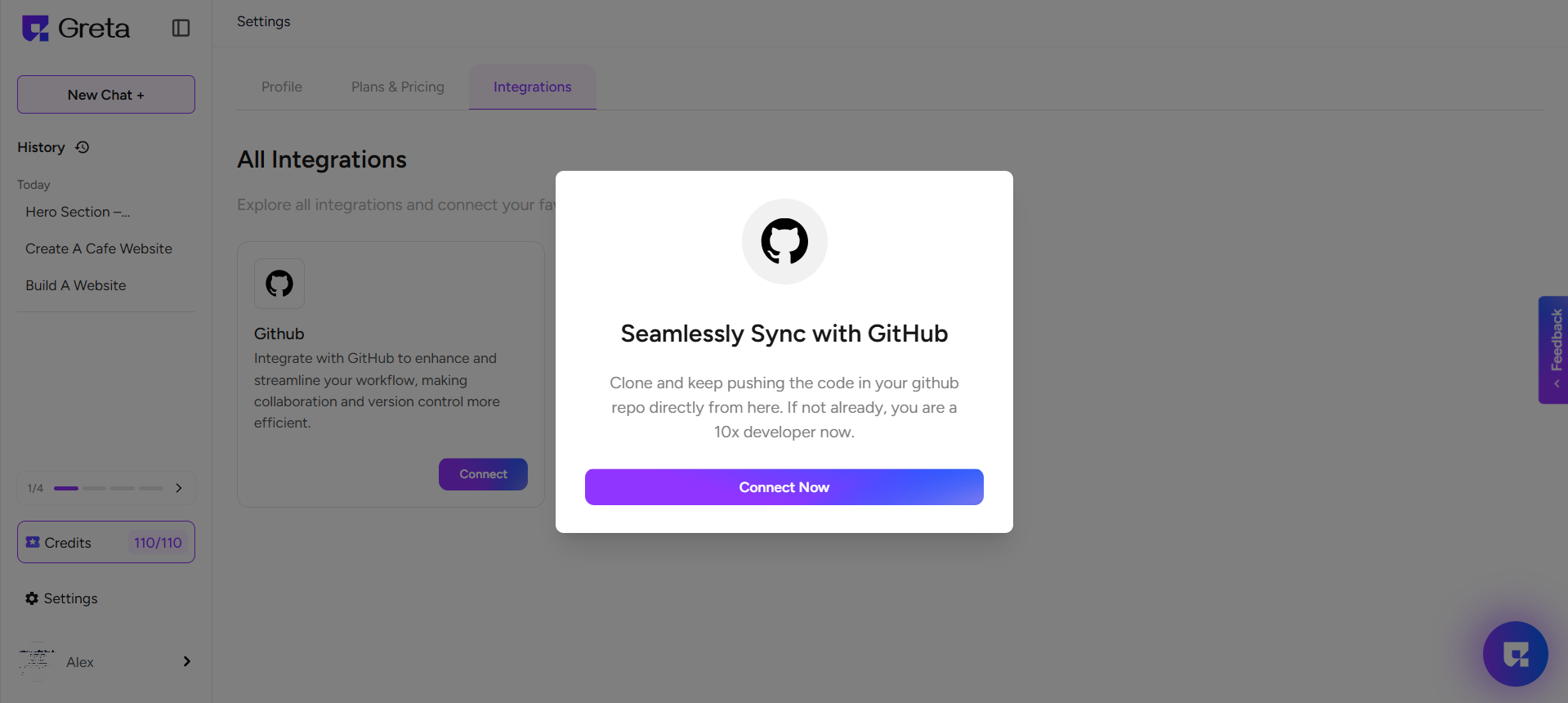
Vibe Coding Explained With Examples
Let's look at some vibe coding examples to bring the concept to life:
- From Prompt to Prototype: A solo founder needs a unique internal tool for tracking sales. Instead of hiring a dev team, they use a vibe coding workflow to describe the database relations and the UI. Within minutes, the AI generates a functional React/Node.js app.
- Context-Aware Iteration: A developer wants to upgrade their theme. They simple say, "Vibe check: this UI feels outdated. Make it more like a modern glassmorphism design with Tailwind CSS." The AI refactor is instant.
- Startup Speed: A startup uses vibe coding to test ten different landing page variations in a single afternoon, identifying which "vibe" converts users best before writing a single manual line of CSS.
AI in Software Development Today
Where does vibe coding fit in the current ecosystem? It is important to distinguish between AI-assisted coding (where tools like Copilot suggest the next line) and fully AI-driven development (vibe coding).
Vibe coding is the higher evolution. It isn't just about getting a suggestion; it's about the AI acting as an autonomous engineering partner that understands the holistic project rather than just the current file.
Got an idea? Build it now!
Just start with a simple prompt. No coding required — Greta.sh turns your idea into a working app in minutes.
Benefits of Vibe Coding
The advantages of AI in software development are clear:
- Faster Development Cycles: What used to take months now takes days.
- Lower Barrier to Entry: Non-technical founders can now build their own MVPs.
- Improved Experimentation: When the cost of building a feature is near zero, you can afford to try radical new ideas and discard them if they don't work.
Limitations and Challenges
However, vibe coding is not without its hurdles:
- Over-reliance on AI: There is a risk of losing the "why" behind the code if you don"t understand the underlying logic.
- Debugging and Control: Sometimes the AI"s "vibe" introduces subtle bugs that require traditional coding knowledge to fix.
- The Skill Balance: The future developer needs to be part engineer and part "Prompt Architect."
Vibe Coding and the Future of Programming
In the future of programming, the human"s role shifts from "writer" to "editor." Emerging development paradigms suggest that the most successful developers will be those who can effectively communicate intent and curate AI-generated solutions.
This leads us to the next phase of AI-driven software development: platforms built specifically for this new reality.
Got an idea? Build it now!
Just start with a simple prompt. No coding required — Greta.sh turns your idea into a working app in minutes.
Getting Started With Vibe Coding: Meet Greta.sh
If you're looking to transition from traditional coding to vibe coding, you need a platform built for intent-based workflows. This is where Greta.sh shines.
Greta.sh is a practical platform that enables true AI-driven development. Unlike simple chat interfaces, Greta.sh is an agent that understands the complexities of a production codebase. It allows you to build entire applications using prompts and structured workflows. Whether you're a startup founder or a mid-level dev, Greta.sh bridges the gap between your intent and a live, scalable product.
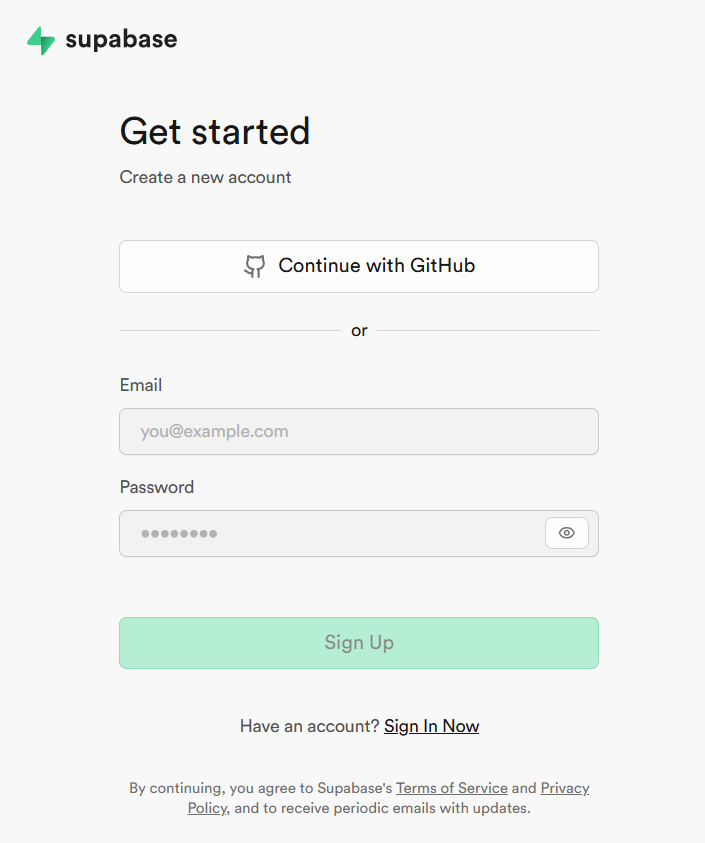
Conclusion: Why Vibe Coding Matters
Vibe coding explained is more than just a buzzword; it is the democratization of creation. It shifts the power from those who know the syntax to those who have the vision. As we move deeper into the era of AI-driven software development, the ability to "vibe" your ideas into existence will be the defining skill of the next generation of builders.
Summary: Vibe coding represents the ultimate abstraction layer. By combining human creativity with the raw speed of AI, we are entering a golden age of software development where the only limit is your imagination.