Prototypes developers can actually build from
Create structured, production-ready prototypes that remove ambiguity, align everyone on intent, and accelerate every handoff from design to development.
How it works
From idea to tested prototype in four steps
A prototyping workflow designed for speed, real feedback, and confident decisions
Define the product intent
Describe the feature, flow, or screen you need built. Include behaviour, states, and edge cases in plain language.

Get a structured prototype
Greta.sh generates a clean, navigable prototype with defined components, states, and interaction patterns developers can reference.
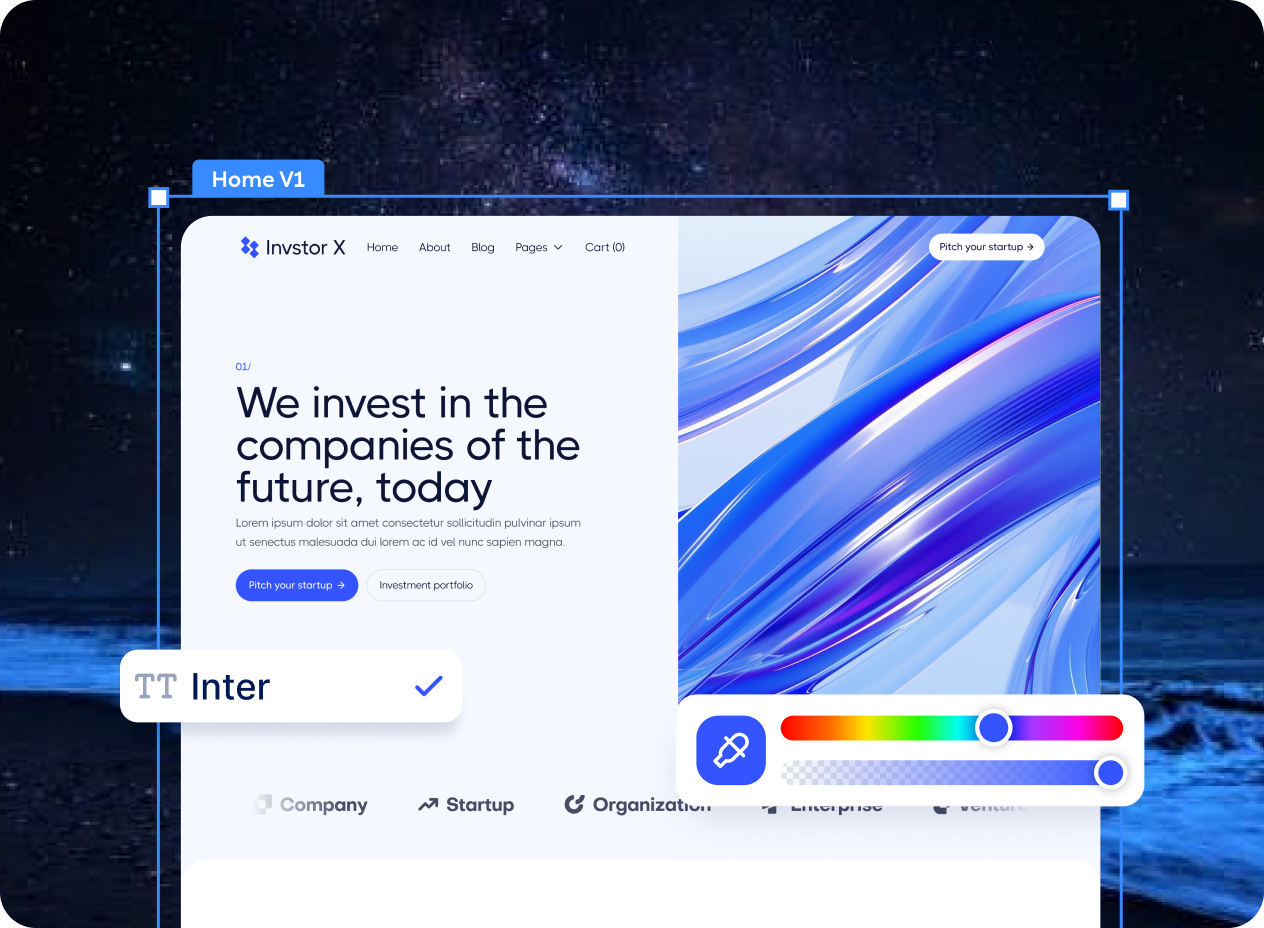
Add What You Need
Share with engineers, QA, and PMs so everyone has the same understanding before development starts.
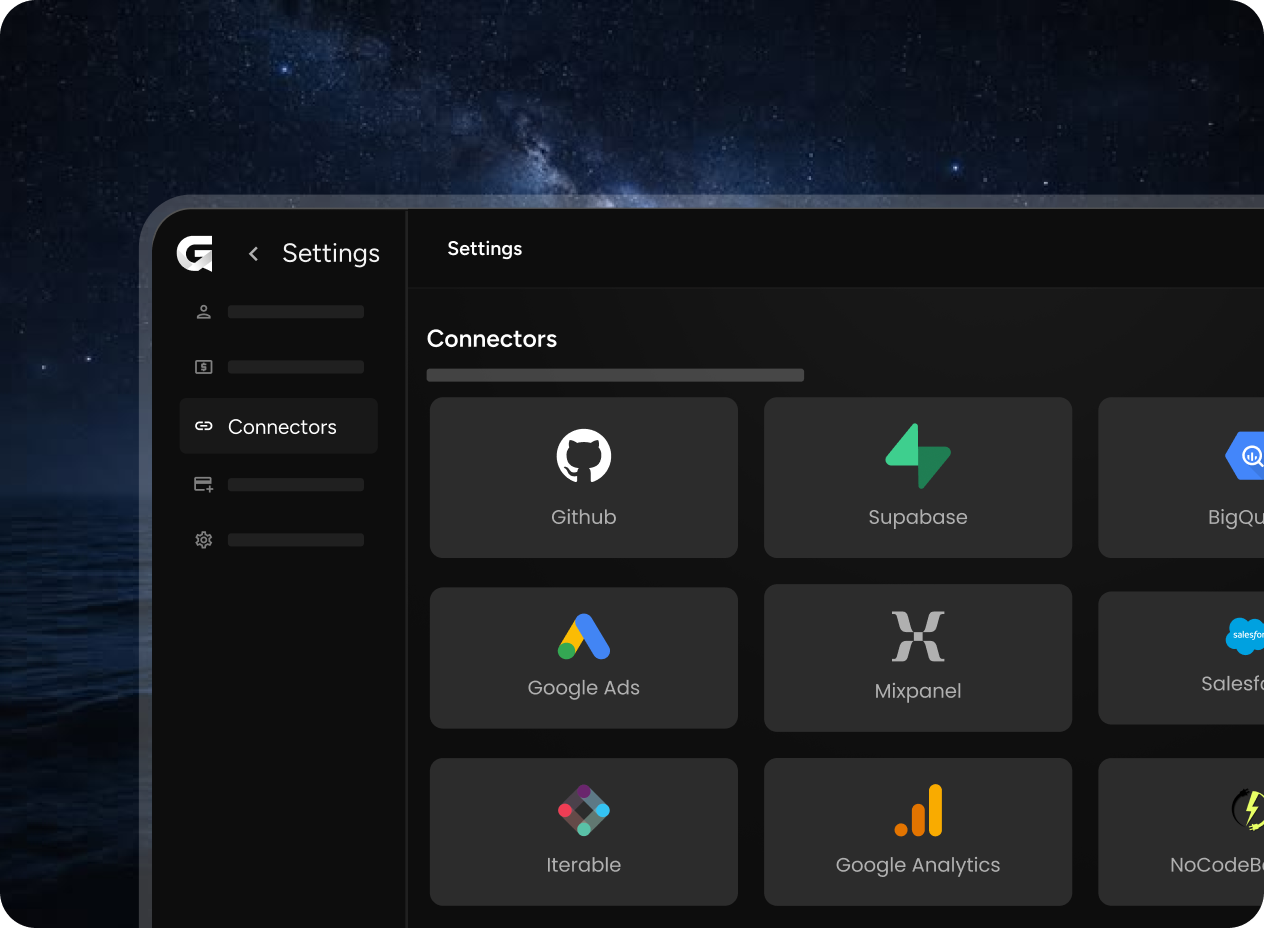
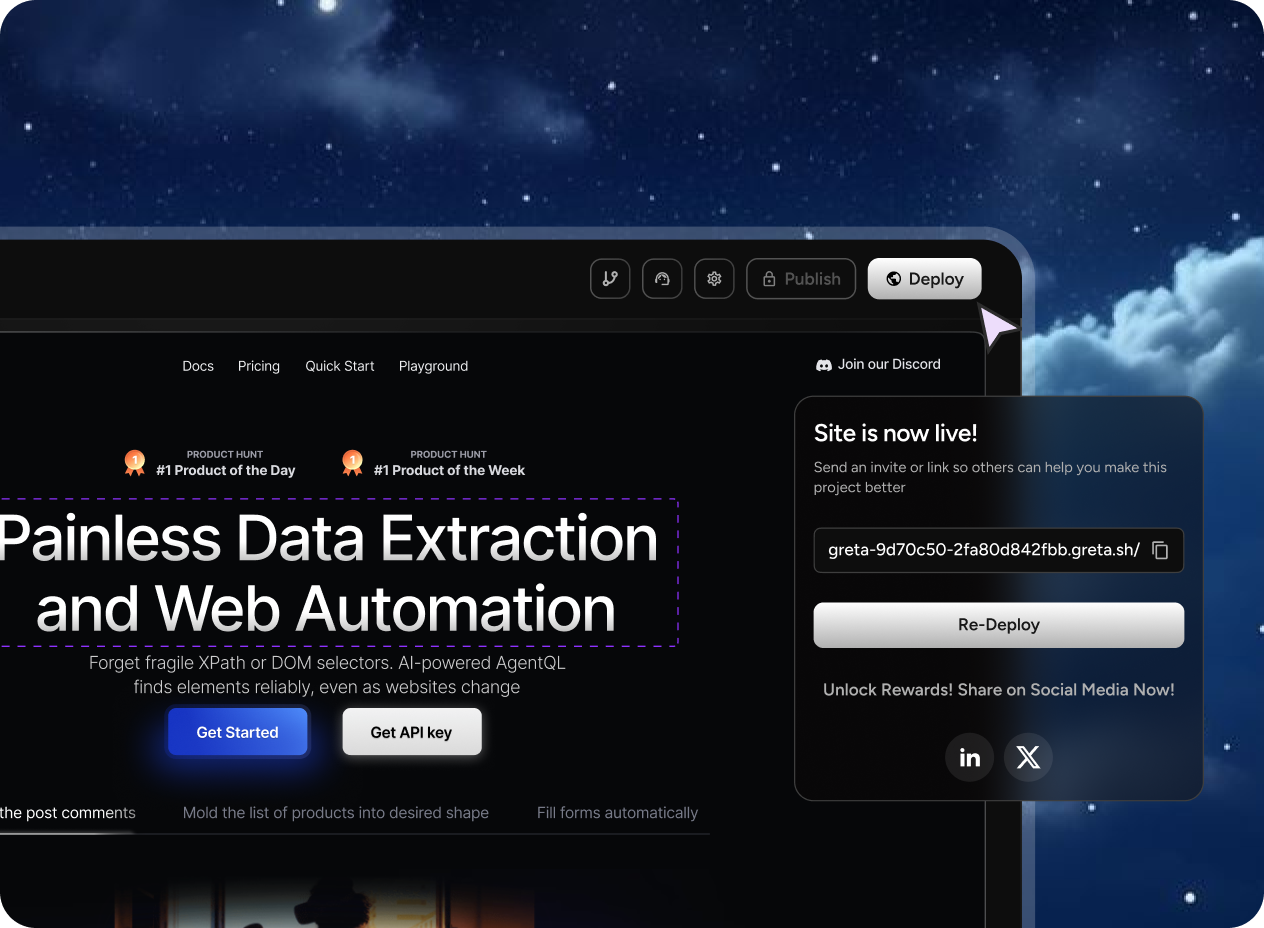
Deploy with One Click
Developers build from a clear reference. Fewer questions, fewer revisions, faster delivery.
Platform
Handoffs that actually hand off.
Remove the ambiguity that slows every design-to-dev transition.
Clear Component Structure
Prototypes define reusable components clearly so developers build consistent, maintainable code.
Interaction States
Show hover, active, error, loading, and empty states so nothing is left to interpretation.
One Source of Truth
A shared prototype link replaces scattered screenshots, conflicting Slack messages, and stale docs.
Responsive Layouts
Define how screens adapt across breakpoints so developers know exactly what to build on every device.
Faster Dev Cycles
Less ambiguity means fewer back-and-forths, fewer bugs, and faster time to delivery.
FAQ
Got more questions?
Everything you need to know before you start building with Greta.sh.
Yes. Prototypes show component structure, interaction states, and layout behaviour developers need.
No. PMs and founders can build structured prototypes that give developers what they need.
Categories
Explore other categories
Greta.sh works across every prototyping use case. See what else you can build and test.
Build Something Real
If you can describe it, you can build it.